Small Barrel Programs: The Best Way to Get Your Spirit Behind the Bar
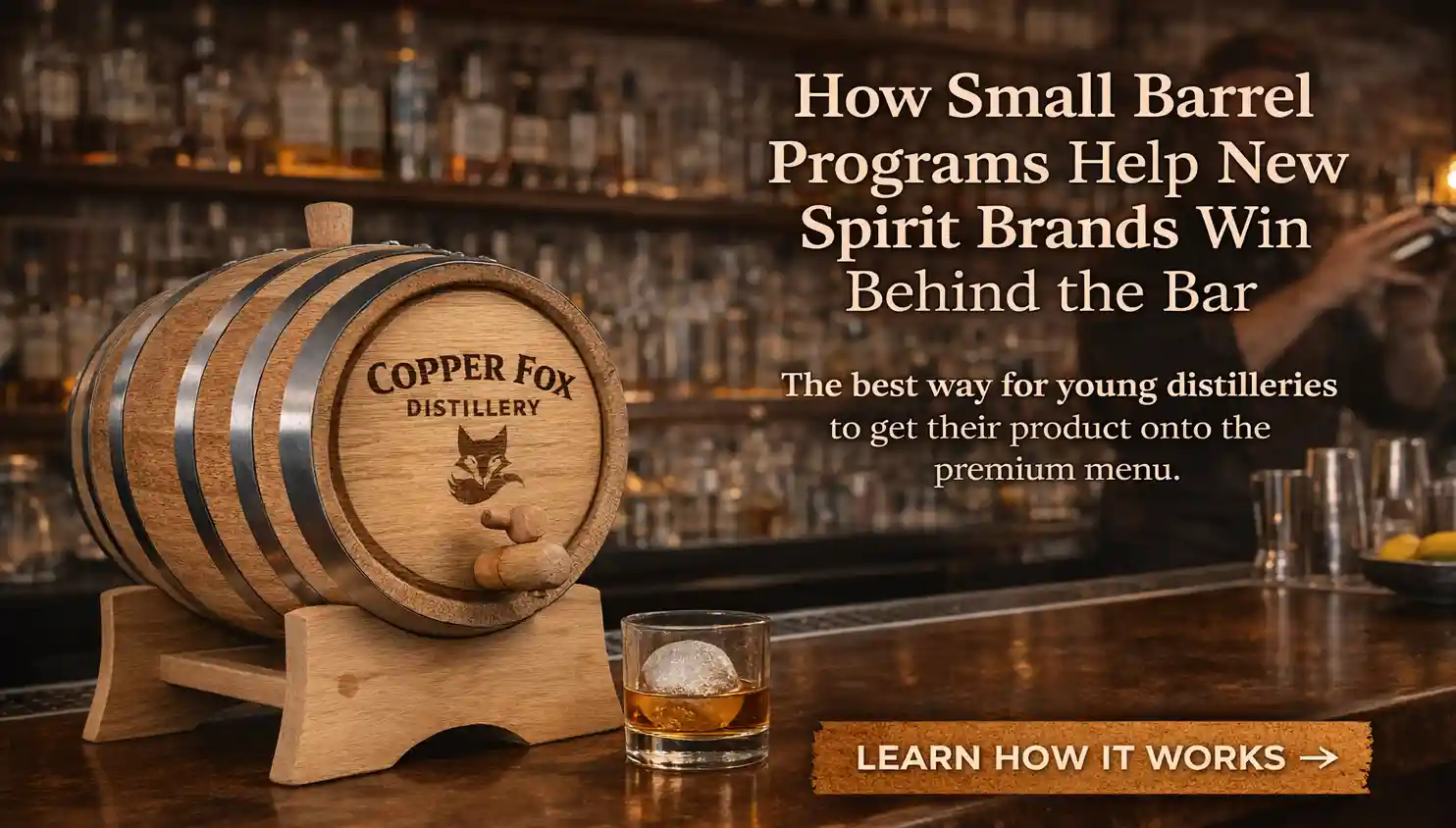
For the last 20 years, one strategy has consistently stood out as the most effective way for distilleries—especially young and emerging brands—to get their product behind the bar: the small barrel program.
In an industry where shelf space is limited and competition is fierce, breaking into a bar’s lineup can feel nearly impossible. But small barrels change the game entirely.
The Problem: Getting Behind the Bar Is Hard
If you’ve ever tried to place a new spirit in a bar or restaurant, you already know the challenge.
Most bars operate with a fixed number of bottles—often 50 to 60. Those spots are already filled with established brands that have long-standing relationships, proven sales, and strong distributor support. Asking a bar to add your product usually means asking them to remove another one.
And that’s where the problem lies.
Bars are reluctant to take risks. They know what sells, and they stick with it. Displacing an existing product requires incentives, persistence, and often a lot of time—if it happens at all.
For young distilleries without massive marketing budgets or national distribution, this creates a major barrier to entry.
The Solution: The Small Barrel Program
This is where the small barrel program comes in—and why it’s so powerful.
Instead of asking a bar to replace a bottle, you give them something new: a small-format oak barrel, typically 2 to 5 liters, branded with your distillery’s logo and provided through your distributor.
In return, the bar creates a premium barrel-aged cocktail or spirit program using your product.
The key detail is this:
The barrel is engraved with your logo.
That means it’s yours. It’s not just a vessel—it’s a branded asset sitting directly on the bar. And because of that, the bar is not going to put another distillery’s spirit inside it.
You’ve effectively secured dedicated space—and usage—for your product without displacing anyone else.
Why Bars Love It
Bars don’t just accept these barrels—they embrace them.
Why? Because they create something every bar wants: a unique, premium offering.
Barrel-aged cocktails are highly desirable. They add depth, complexity, and story to a drink. More importantly, they allow bars to charge a higher price point while delivering a differentiated experience to customers.
A barrel program gives bartenders the ability to experiment, create signature drinks, and elevate their menu. It turns a standard cocktail into something exclusive.
And since the barrel is visually appealing and prominently displayed, it naturally becomes a conversation starter.
Why It Works Even Better for Young Brands
For new distilleries, this strategy is even more impactful.
When you’re just starting out, you often don’t have a large inventory of aged product. Your whiskey may still be maturing, or your portfolio may lean heavily toward unaged or lightly aged spirits.
Small barrels solve this problem.
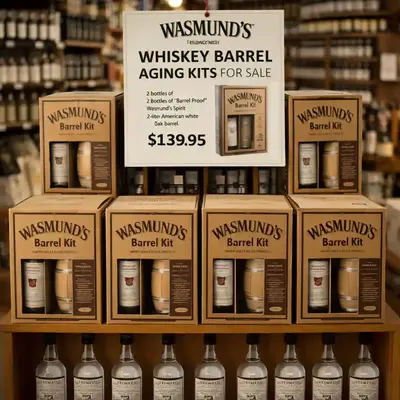
By placing your spirit into a small-format barrel, the aging process is accelerated. This allows bars—and even consumers—to create richer, more complex flavor profiles in a much shorter time frame.
In fact, many early craft distilleries like Copper Fox, Woodinville, and Rock Town used this exact approach to build their brands.
They didn’t wait years for their product to fully mature. Instead, they empowered bars and consumers to participate in the aging process.
Turning Customers Into Advocates
One of the most overlooked benefits of a small barrel program is how it transforms the role of the bartender.
Instead of simply pouring your spirit, bartenders become storytellers.
They explain:
- How the spirit is aged in the barrel
- What flavor notes have developed
- What ingredients or techniques were used in the cocktail
- Why this particular product was chosen
This creates a much deeper level of engagement with the customer.
Now, your brand isn’t just another label on the shelf—it’s part of an experience.
Customers remember that. They come back for it. And they talk about it.
From Placement to Premium Menu
Once your barrel is behind the bar, it almost always leads to menu placement.
Bars will feature the product as a premium, signature cocktail—often highlighted as a barrel-aged offering. These drinks are typically among the highest-priced items on the menu and one of the most requested.
And because your product is inside the barrel, your brand becomes directly associated with that premium experience.
You’re no longer competing for attention—you’re owning a category.
The Sales Impact
The result is simple and powerful:
You sell more product.
Barrels need to be refilled. Cocktails need to be made. As the program gains traction, both the bottles and the barrels begin to turn regularly.
Instead of fighting for occasional pours, your product becomes a consistent part of the bar’s workflow.
And because it’s tied to a premium offering, it’s often one of the most profitable items on the menu—for both you and the bar.
A Smarter Way to Grow
At its core, the small barrel program is not just a promotional tactic—it’s a smarter way to grow your brand.
It removes the biggest barrier to entry (limited shelf space), creates a premium positioning for your product, and builds authentic engagement between bartenders and customers.
For young spirit brands, this is critical.
You’re not just trying to get on the shelf—you’re trying to build recognition, loyalty, and demand.
And there are very few tools that accomplish all of that at once.
The Bottom Line
If you want to get your product behind the bar, you can keep trying to fight for shelf space…
Or you can give the bar something they actually want.
A small, branded barrel doesn’t just earn you placement—it earns you promotion.
And in today’s competitive spirits market, that’s the difference between being another option…
…and becoming the premium pour.
Are you Ready to Build Your Barrel Program?
If you want to learn more or brainstorm about how to create your own program—or see if this approach is right for your distillery—feel free to reach out.
Call us at Thousand Oaks Barrel and let’s build your program together.
Looking to get started? Check out our
Recent posts
- The Best New Distillery Gift Shop Product: Branded Cigar Whiskey Glasses That Sell
- Small Barrel Programs: The Best Way to Get Your Spirit Behind the Bar
- How Branded Whiskey Flight Boards Drive Sales in Bars and Restaurants
- How to Fast-track Your Brand on the Premium Menu
- Why Whiskey Lovers Are Switching to Charred Wooden Tumblers — and Why It’s a Powerful Promotional Product
- Why a Mini Oak Barrel Tip Jar Might Be the Smartest Thing You Put on a Bar
- Why Barrel Candle Holders Help Define the Atmosphere in Bars and Restaurants
- Why the Foghat Cigar Glass Is the Ultimate Promotional Product for Whiskey Brands